WHO WE ARE

Welcome to Sister Dolly Support Foundation, a non-profit organization dedicated to empowering youth, providing career advisory services, and supporting communities through grassroots initiatives. Join us in our mission to empower, inspire, and transform lives
Read More

Education

Equipping learners with the knowledge, skills, and opportunities to succeed

Health

Discover the path to your best self: Insights and resources for a healthy life

Skills

Our support creates self-sustaining, skill-acquisition programs

Our Thematic Focus:

You want to become a voluntter

We can Change everything together

Meet Our Volunteers

Recent Events

Our work began in 2022 distributing books across, Biros
and encouraging young students in Uruk Anam LGA AKS.
3
Volunteer Helpers
274
Happy Beneficiaries
156
Products & Gifts

Testimonials

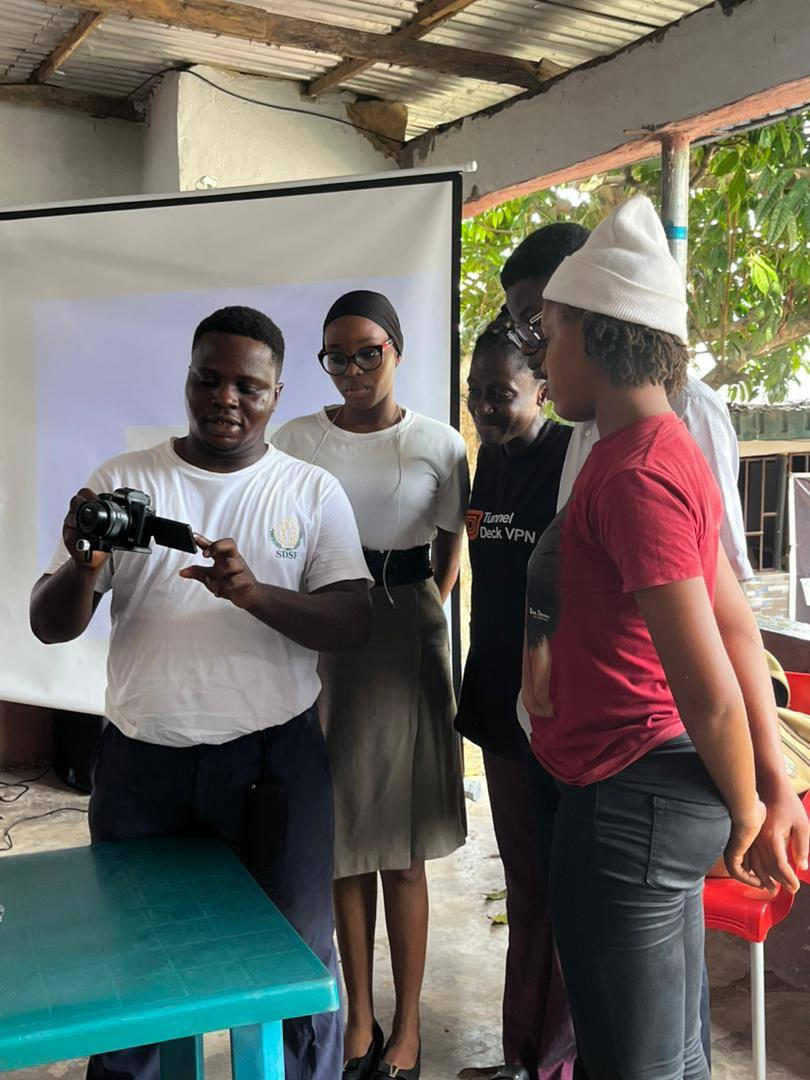
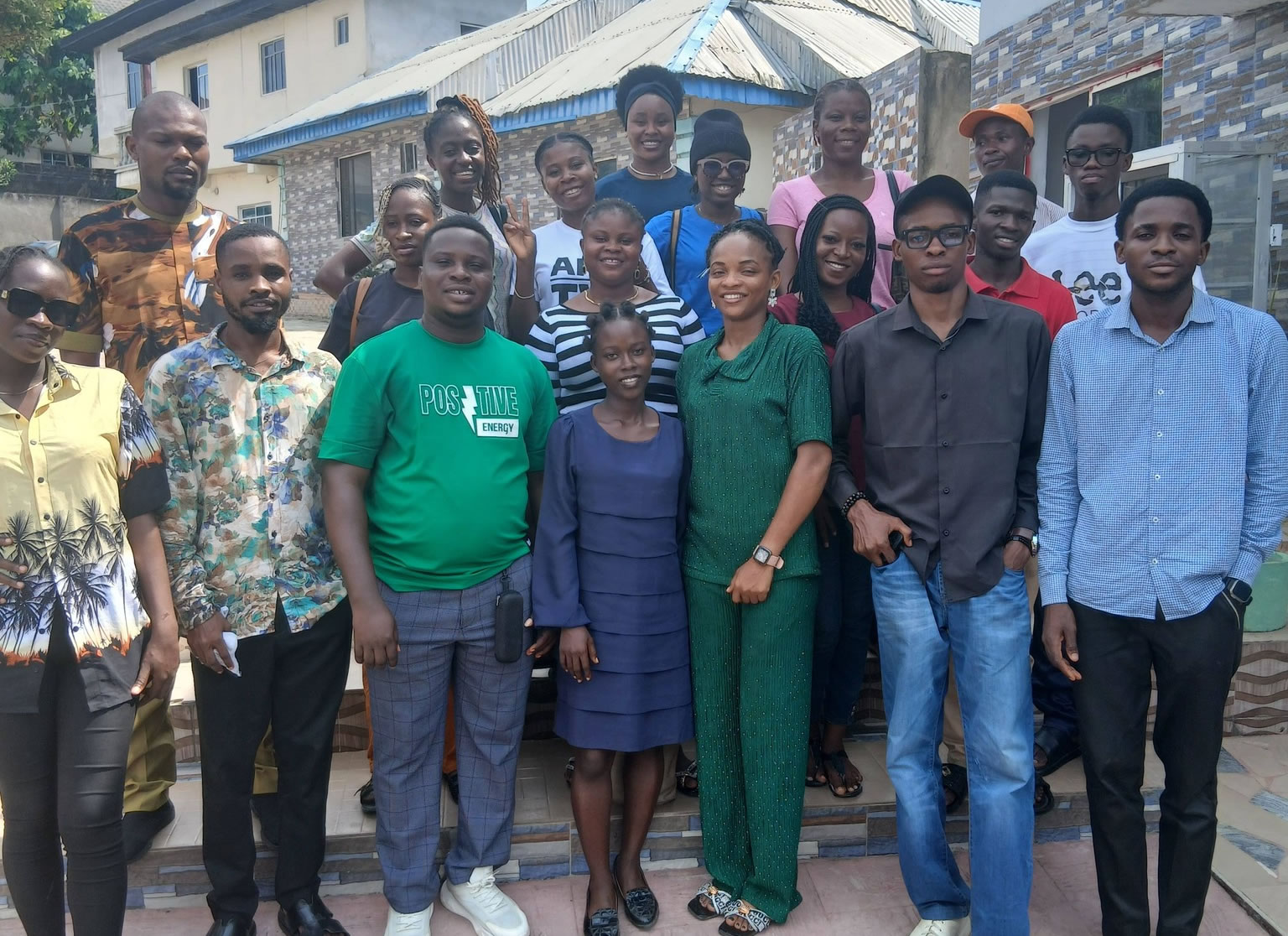
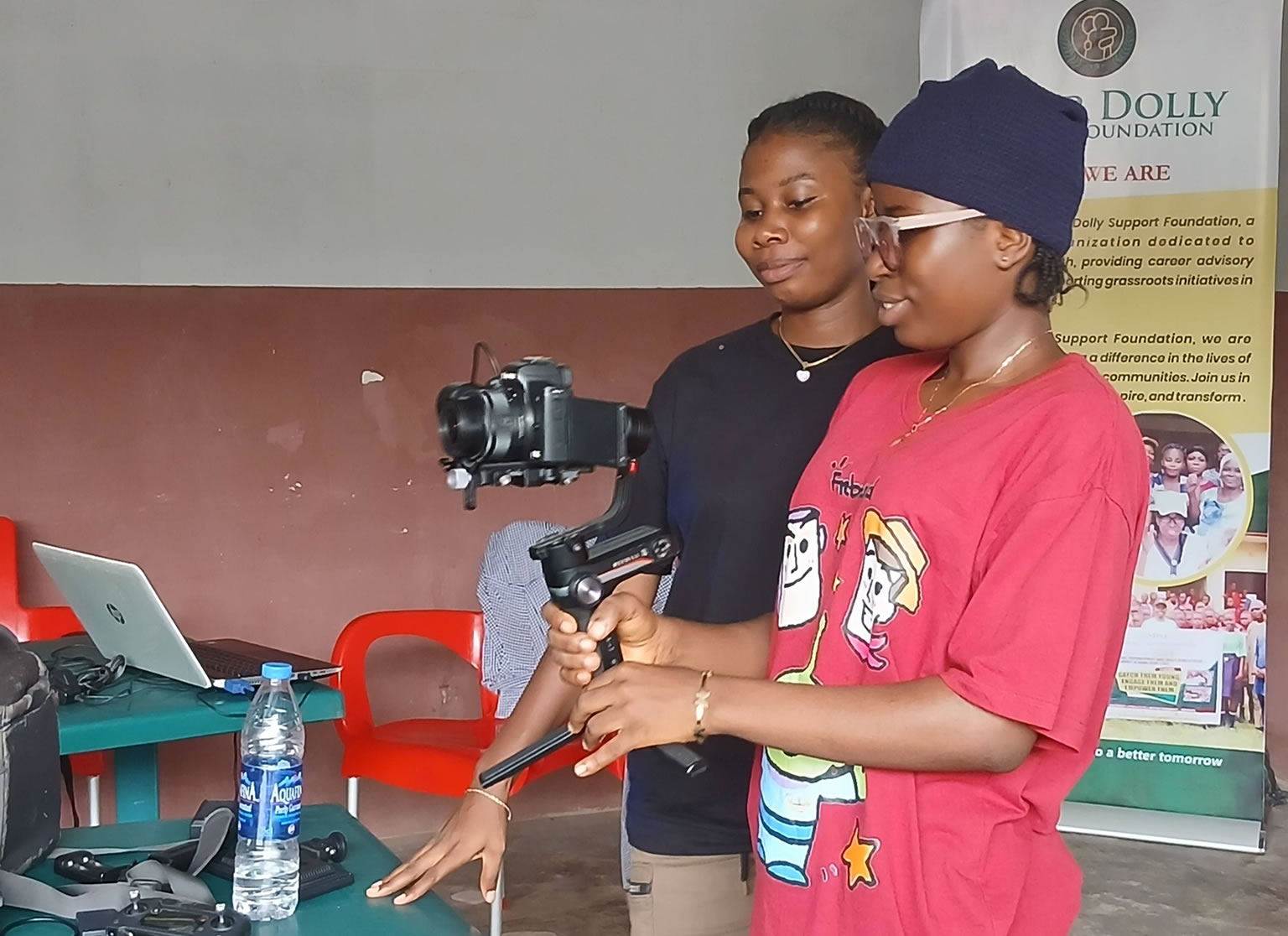
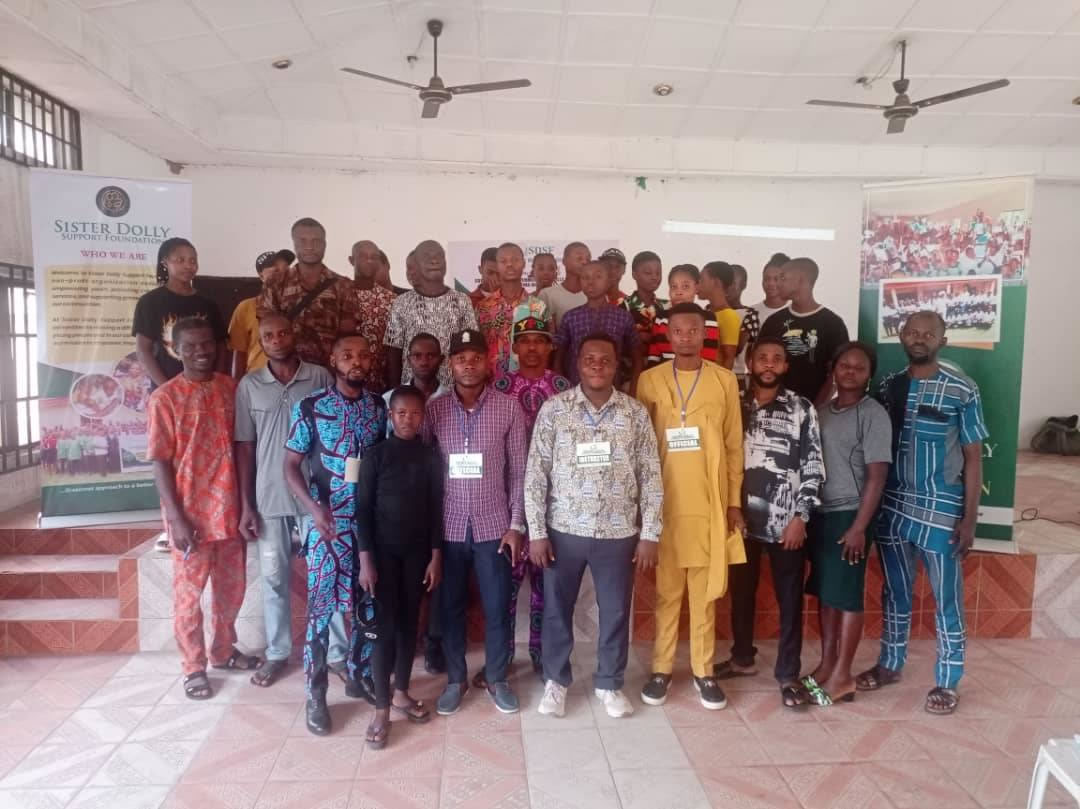
Following the surge in unemployment and its negative effects on poverty, crime, insecurity and moral decadence, Sister Dolly Support Foundation (SDSF), a Nigerian non-governmental organization, considers it a priority to take on a social behavior change communication (SBCC) program to deal with the root causes and consequences of unemployment in Nigeria with a particular focus on Cross River State. Over the years, the foundation has carried out similar campaigns in various communities in Akwa Ibom State, Nigeria. In a bid to break new grounds, the foundation has deemed it fit to extend its intervention to a sister state, Cross River State, not forgetting about the development challenges of other states in future interventions. The choice of Cross River State is underpinned by the fact that the state ranks high among the southern Nigeria states that are laden with poverty, unemployment and crime. Incidentally, there is a strong link between unemployment and crime, which becomes even stronger when unemployment is viewed from the prism of the youths. A recent study by Adeniyi, Eneji & Okpa (2019) indicated that there is a positive relationship between lack of entrepreneurial skills and unemployment and between unemployment and drug trafficking among the youths in Cross River State. In the same vein, Ukwayi, Angioha & Aiah (2019) echoed that women and children trafficking in Cross River State is an offshoot of unemployment. Based on the above facts, SDSF is carrying out a campaign to deal with core issues around unemployment and crime via entrepreneurial education, financial literacy, career guide, and civic education. The first phase of the program is expected to benefit approximately 200 young men and women within the ages of 19 and 36 in Calabar Municipality Local Government Area of Cross River State. Adequate monitoring, evaluation, accountability and learning (MEAL) procedures will be deployed to scientifically measure the impact of the program. At the end of the project, measurable results with written, audio and video evidences will be published to increase demand for participation in future projects of the foundation. The budget for this project is NXXXXXX (XXXXXX Naira) only.

A Social and Behaviour Change Communication (SBCC) Campaign on Career Counseling, Financial and Business Literacy, and Civic Education

OUR BLOG

FREQUENTLY ASKED QUESTIONS

Discovering what we are good at involves self-awareness, exploration, and feedback from others. Here are some steps that can help you determine your strengths:

  1. Self-reflection: Take time to reflect on your experiences, interests, and passions. Consider the activities or subjects that bring you joy, make you feel energized, or come naturally to you. Think about the skills or talents you believe you possess.
  2. Experimentation: Engage in a variety of activities and experiences. Try new hobbies, take up different courses, or volunteer for projects that interest you. This experimentation allows you to explore different areas and discover what resonates with you. Pay attention to activities that you find enjoyable and excel in.
  3. Feedback: Seek feedback from others who know you well, such as friends, family, mentors, or colleagues. They can provide valuable insights into your strengths and help identify patterns or talents that you might not recognize in yourself. Ask for specific examples of when they have seen you excel in certain areas.
  4. Assessments and tests: Consider taking self-assessment tools or personality tests designed to identify strengths. These assessments can provide structured frameworks and insights into your personality traits, skills, and abilities. While they shouldn’t be the sole basis for determining your strengths, they can offer additional perspective and generate ideas for exploration.
  5. Passion and motivation: Pay attention to the activities that bring you a sense of fulfillment, enthusiasm, and intrinsic motivation. When you are passionate about something, you tend to invest more time and effort into it, and that dedication often leads to developing expertise and proficiency.
  6. Trial and error: Embrace a mindset of experimentation and learning. Sometimes, you may not initially realize your strengths until you try and fail at certain activities. Embrace setbacks as learning opportunities and adjust your path accordingly.
  7. Reflect on achievements: Review your past accomplishments and moments where you received positive feedback or recognition. Consider the skills and qualities that contributed to those achievements, as they often indicate areas where you have a natural talent or potential for growth.

Remember, discovering your strengths is an ongoing process. It’s essential to remain open-minded, embrace new opportunities, and continue to learn and grow. By combining self-reflection, feedback from others, and actively exploring different domains, you can gain a clearer understanding of what you are good at and find areas where you can thrive.

If you love a career but find the subjects challenging in university, here are some steps you can take:

  1. Assess your study habits: Evaluate your study techniques and time management skills. Are you utilizing effective strategies for learning? Consider if there are any improvements you can make to your study routine, such as breaking down complex subjects into smaller, manageable chunks, seeking additional resources or study groups, or exploring different note-taking methods. Sometimes, adjusting your approach to studying can make a significant difference.
  2. Seek academic support: Take advantage of the resources available to you. Reach out to your professors or teaching assistants for clarification or additional guidance on challenging topics. They can provide valuable insights and suggest specific study materials or approaches that may be helpful. Additionally, most universities offer academic support services like tutoring or study groups that can assist you in understanding difficult subjects.
  3. Collaborate with classmates: Forming study groups with classmates who share similar difficulties can be beneficial. Working together allows you to pool your knowledge, discuss concepts, and help each other understand challenging topics. Explaining concepts to others can enhance your own understanding and provide alternative perspectives.
  4. Utilize supplementary learning resources: Look for additional learning resources beyond your course materials. There are often textbooks, online tutorials, video lectures, or educational websites that provide alternative explanations or examples for difficult subjects. These resources can help you grasp the material from different angles and reinforce your understanding.
  5. Seek mentorship or guidance: Find professionals or individuals who are already established in the career you love. Reach out to them for mentorship or guidance. They can share their own experiences with the challenging subjects and provide advice on how to navigate them. Their insights and support can motivate you to persevere.
  6. Persist and practice: Remember that learning challenging subjects takes time and effort. Stay persistent and don’t get discouraged by setbacks. Consistent practice and repetition are essential for mastering difficult concepts. Break down the material into smaller, manageable parts and gradually build your understanding. Celebrate small victories along the way to keep yourself motivated.
  7. Consider alternative learning approaches: If you’ve exhausted various strategies and still find the subjects overwhelmingly challenging, it might be worth exploring alternative learning options. Look for online courses, workshops, or practical experiences that can provide a different perspective on the subject matter. Sometimes, different teaching methods or environments can help you grasp the material more effectively.

Remember that challenges are a natural part of the learning process. By implementing these strategies and maintaining your passion for the career, you can overcome the difficulties and continue progressing towards your goals.

Having a passion for your weakness can be a unique situation. While it’s great to have enthusiasm for something, it’s also important to recognize the areas where you need improvement. Here are a few suggestions on how to navigate this situation:

  1. Embrace your passion: If you genuinely enjoy something that is considered your weakness, don’t let that discourage you. Embracing your passion can bring joy and fulfillment to your life, even if you don’t excel in that particular area.
  2. Identify transferable skills: Look for skills or qualities within your passion that can be applied to other areas of your life. For example, if your weakness is public speaking but you have a passion for storytelling, you can leverage that passion to improve your communication skills in other ways, such as writing or creating videos.
  3. Seek alternative ways to improve: While there may not be a straightforward way to improve your weakness, there are often alternative paths to gain related skills or knowledge. Explore different resources like online courses, books, tutorials, or workshops that can provide you with insights and techniques to enhance your understanding.
  4. Collaborate with others: Consider finding like-minded individuals or communities who share your passion. Engaging with others who have similar interests can provide opportunities for learning, sharing ideas, and receiving constructive feedback. Collaborating with others can also help you find different perspectives and approaches to your weakness.
  5. Emphasize your strengths: While it’s important to acknowledge and work on your weaknesses, it’s equally important to focus on your strengths. By nurturing and developing your strengths, you can excel in areas that come naturally to you, which can positively impact your personal and professional life.
  6. Accept your limitations: It’s essential to recognize that everyone has weaknesses, and it’s okay if you’re unable to become an expert in every aspect of life. Accepting your limitations can help you shift your focus toward personal growth, self-acceptance, and finding fulfillment in other areas where you excel.

Remember, personal growth is a lifelong journey, and it’s not always about becoming an expert in every domain. It’s about finding a balance between improving your weaknesses and leveraging your strengths to lead a fulfilling life.

If you have a good career but find that your country or society isn’t providing the support you need, there are several steps you can consider taking:

  1. Explore opportunities abroad: Look into options in other countries where your skills and expertise are in demand. Research industries, job markets, and immigration policies to determine if moving to a different country could offer better prospects for your career and personal growth.
  2. Network and build connections: Networking is crucial in any professional journey. Expand your network locally and internationally by attending industry events, joining professional organizations, and leveraging online platforms. Building relationships with like-minded professionals can open doors to new opportunities and valuable support networks.
  3. Seek remote work or freelancing opportunities: With advancements in technology, many professions now offer the flexibility to work remotely or as a freelancer. Explore platforms and websites that connect freelancers with clients globally. This way, you can work for international clients while residing in your home country, potentially bypassing some of the limitations you face locally.
  4. Continuous learning and skill development: In a rapidly changing world, staying updated and enhancing your skills is essential. Invest in your personal and professional development by taking courses, attending workshops, and acquiring new certifications. This can make you more competitive in the global job market and increase your chances of finding opportunities outside your country.
  5. Consider entrepreneurship: If the local environment isn’t conducive to your career growth, starting your own business or venture could be an option. Evaluate the market and identify gaps or unmet needs that you can address with your expertise. Entrepreneurship can provide independence and the ability to create your own opportunities.
  6. Advocate for change: If you’re passionate about improving the situation in your country or society, consider becoming an advocate for change. Engage with local communities, join organizations, and support initiatives that work towards creating a better environment for professionals like yourself. Your efforts, along with others, can contribute to systemic improvements in the long run.

Remember, each situation is unique, and the best course of action depends on various factors such as your industry, personal circumstances, and aspirations. Assess your options carefully, weigh the risks and rewards, and make decisions that align with your long-term goals and well-being.

If you’re still feeling unsure about which career path to choose, despite considering the points and advice I’ve given you, here are some additional suggestions to help you gain clarity:

  1. Self-reflection: Take some time for introspection and consider your passions, interests, and values. What activities make you feel energized and fulfilled? Reflect on your strengths, skills, and personal qualities. This self-reflection can provide valuable insights into potential career paths that align with who you are.
  2. Explore a variety of options: Don’t limit yourself to a specific field or industry. Explore a wide range of careers by researching different professions, talking to professionals in various fields, and seeking out opportunities for job shadowing, internships, or volunteering. This hands-on experience can give you a better sense of what different careers entail and help you narrow down your options.
  3. Seek guidance: Reach out to career counselors, mentors, or advisors who can provide guidance based on their expertise and experience. They can offer valuable insights, ask you thought-provoking questions, and help you explore different possibilities.
  4. Try new experiences: Engage in activities outside of your comfort zone. Attend workshops, seminars, or conferences related to different fields. Take up new hobbies or join clubs and organizations that expose you to diverse interests. These experiences can spark new ideas and interests that you may not have considered before.
  5. Consider transferable skills: Instead of focusing solely on specific careers, identify your transferable skills – skills that can be applied to various industries or roles. For example, skills like communication, problem-solving, leadership, and adaptability are valuable across many professions. Recognizing your transferable skills can open up a broader range of career options.
  6. Take small steps: Remember that choosing a career is a journey, and it’s okay to start with smaller steps. You don’t need to have your entire career path mapped out right away. Start by exploring entry-level positions, internships, or part-time jobs in fields that interest you. These experiences can provide valuable insights and help you make more informed decisions.

Remember, choosing a career is a personal decision, and it may take time to find the right fit. Be patient, trust your instincts, and keep an open mind. With exploration, self-reflection, and guidance, you can gain a better understanding of yourself and discover a career that aligns with your interests, values, and aspirations.

It’s not uncommon to feel like you lack passion or don’t have a strong interest in any particular area. Many people go through periods where they feel unsure about their passions or struggle to find something they’re truly passionate about. Here are a few suggestions that might help you navigate this situation:

  1. Explore new activities: Engage in various activities and hobbies to discover new interests. Trying different things can help you uncover hidden passions you may not have been aware of before.
  2. Reflect on past experiences: Think about the times when you felt genuinely excited or fulfilled. Reflecting on your past experiences, even if they seem unrelated, can provide insights into what truly matters to you.
  3. Seek inspiration from others: Look for inspiring stories or role models who have found their passion or purpose in life. Learning about their journeys may spark ideas or provide a different perspective on finding your own passion.
  4. Embrace curiosity: Approach life with an open and curious mindset. Explore different subjects, read books, watch documentaries, or engage in meaningful conversations. Sometimes, curiosity can lead you to unexpected places and ignite a sense of passion.
  5. Set small goals: Even if you don’t have a specific passion, you can set small goals in different areas of your life. By achieving these goals, you may develop a sense of accomplishment and gain a better understanding of what resonates with you.
  6. Be patient with yourself: Finding your passion can take time, and it’s okay to not have all the answers right away. Be patient and kind to yourself during this process of self-discovery. Remember that passions can evolve and change over time.
  7. Consider seeking guidance: If you’re feeling stuck or overwhelmed, you may want to consider talking to a career counselor, life coach, or therapist. They can provide guidance, ask thought-provoking questions, and help you navigate your journey of finding passion and purpose.

Remember, it’s essential to be open-minded and embrace the process of self-discovery. Sometimes, passions emerge when we least expect them, so don’t be discouraged. Focus on exploring new experiences, nurturing your curiosity, and staying open to possibilities.

Sign Up For Newsletter

Sign up to stay up to date on our work around the world. 62,230 people already have.

From Past Event